School Timings: 9.00 AM - 2.00 PM

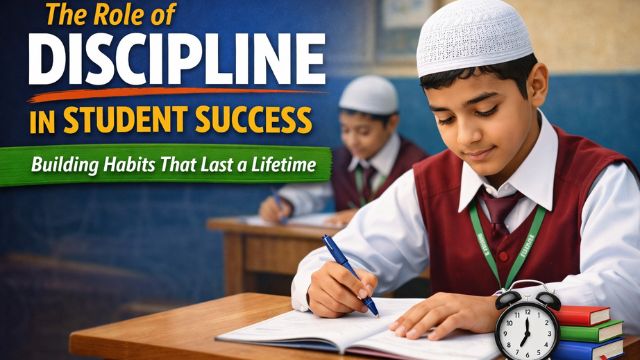
In our fast-paced, distraction-heavy world, one trait consistently shines as a key indicator of success—discipline. Sure, intelligence and talent matter, but it’s discipline that really turns potential into real achievements. For students, discipline goes beyond just following rules; it’s about cultivating habits that will shape their futures.
From getting up on time to finishing assignments and staying engaged in class, discipline lays the groundwork for a student’s academic journey. It empowers children to be consistent, manage their time wisely, and develop a mindset geared toward long-term success.
At educational institutions like Hera Public School, discipline is a fundamental value, ensuring that students not only thrive academically but also evolve into responsible and confident individuals. Parents looking for a school environment that fosters discipline alongside holistic development can find more information here: https://herapublicschool.com/
Discipline in a student's life is all about having the self-control to manage your actions, keep your eyes on your goals, and stick to a routine. It’s not just about following strict rules or facing punishment; it’s really about being responsible and regulating yourself.
A disciplined student:
Follows a daily routine
Gets tasks done on time
Keeps their focus during studies
Shows respect to teachers and classmates
Balances schoolwork with extracurricular activities
Having discipline helps students build consistency, which is key to achieving success in their academic journey.
Role of discipline in student success
Discipline is essential in shaping a student’s future. It connects goals and achievements.
Academic performance is typically higher for students who practice disciplined study habits. Better comprehension and retention result from regular revision, timely completion of homework, and concentrated study sessions.
School-related habits are frequently lifelong. Children who are disciplined are better able to form virtues like responsibility, consistency, and timeliness.
One of the most crucial abilities for success is time management. Students who are disciplined learn how to set priorities and manage their time well.
Students feel more in control and experience less academic stress and anxiety when they adhere to a routine and maintain organization.
It is often believed that motivation is the key to success. Though motivation is important for a start, discipline is important for a continuation.
Motivation is a temporary feeling; it may come and go.
Discipline is a continuous process.
For instance:
A motivated student may study for a day
A disciplined student may study every day
Thus, consistency leads to success.
The Role of Discipline in Student Success
Discipline is not just about school; it's about life.Some of the life habits that are formed through discipline are as follows:
If you complete small tasks on a regular basis, you can achieve great things in life.
Discipline ensures that the student takes responsibility for his or her actions.
3. Self-Control
Through self-discipline, a student can control distractions in life.
Discipline in a student's life ensures that the student sets goals for himself or herself and works towards achieving them.
Role of Schools in Building Discipline
Schools also have a significant role in inculcating discipline in the minds of the students. A well-structured environment in schools can help the kids develop good habits naturally.
What are the key areas of an effective school?
A structured routine
Punctuality
Showing respect for others
A balanced academic and extracurricular environment
Hera Public School follows a method of inculcating discipline in the minds of the students as a part of the regular academic routine.
Role of Discipline in student success
The role of parents in developing discipline in the behavior of their children is also of equal significance.
Here are some ways in which parents can contribute towards the development of discipline in the behavior of their children:
Develop a sense of routine by setting fixed times for studies, leisure activities, and sleep.
Children learn from what they see, and thus, it is very important for them to see discipline in the behavior of their parents.
Assign them some work that will help them manage their school bags and homework.
Control the amount of time they spend watching television and encourage them to engage in productive activities.
By putting in a combined effort with their schools, parents can help their children become better disciplined.
Common Mistakes to Avoid While Teaching Discipline
Though it is important, it should not be confused with strictness.
Mistakes to avoid:
Over-disciplining children
Comparing children
Ignoring emotional needs
Inconsistency in rules
Discipline should be taught with patience, understanding, and encouragement.
Some of the simple but effective tips are as follows:
Make a daily time table
Set goals
Encourage regular revision
Reward regularity, not achievement
Encourage self-discipline, not forced discipline
Taking small steps on a daily basis can make a big difference in a child’s life.
With smartphones, social media, and online distractions, maintaining discipline has become more challenging.
Students today must learn:
Digital discipline
Controlled screen time
Focused study habits
Teaching children how to balance technology and studies is essential for modern education.
Discipline is one of the most powerful tools for success. It helps students build strong habits, stay focused, and achieve their goals.
While talent may give students an advantage, it is discipline that ensures long-term success. By developing discipline early in life, children can build a strong foundation for their future.
Schools like Hera Public School understand that education is not just about academics—it is about shaping individuals who are responsible, confident, and capable of achieving their dreams. We hope that this blog on The Role of Discipline in Student Success has provided you with valuable insights into the importance of discipline in achieving academic success.
FAQs
Discipline helps students stay focused, manage time effectively, and achieve academic success.
Parents can teach discipline by setting routines, leading by example, and encouraging responsibility.
It improves academic performance, builds strong habits, and develops time management skills.
Yes, discipline ensures consistency and long-term success, even more than intelligence alone.
Schools can promote discipline through structured routines, supportive environments, and positive reinforcement.


