School Timings: 9.00 AM - 2.00 PM

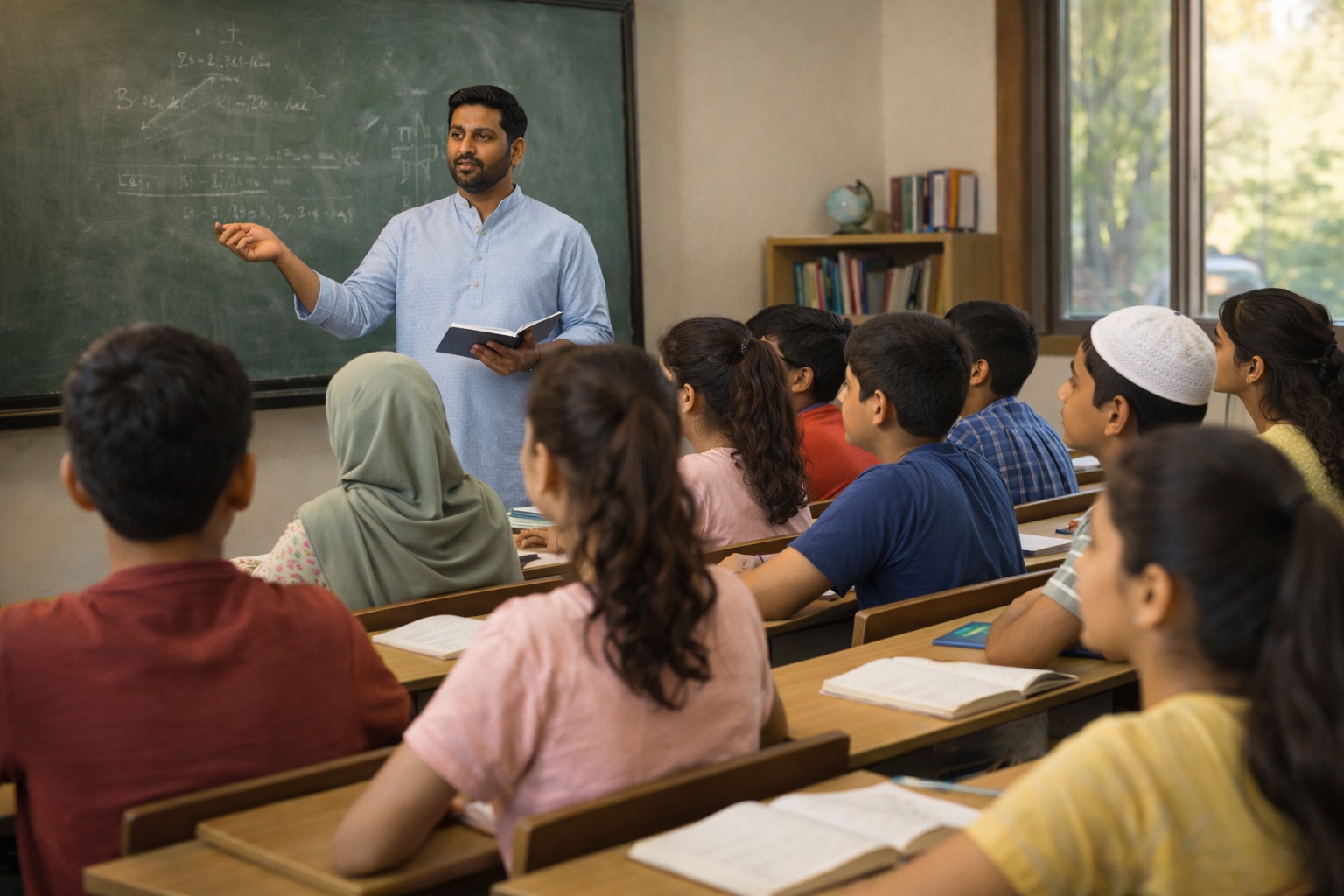

Education is not just about classrooms, books, or examinations. It is about shaping who we become, how we think, and how we contribute to the world around us. From the moment we begin to understand our surroundings, education starts playing a role in our lives—sometimes quietly, sometimes powerfully, but always meaningfully.
In every society, education has been the foundation of progress. It empowers individuals, strengthens families, builds communities, and drives nations forward. Beyond degrees and certificates, education gives us values, confidence, awareness, and the ability to make informed choices. It teaches us how to live—not just how to earn.
This blog explores the importance of education in our life, not only as a means of livelihood but as a lifelong force that shapes our thinking, behavior, relationships, and future. Education begins with schools that act as institutions that shape young minds, helping children grow intellectually and morally.
Education begins at home, continues in school, and evolves throughout life. It is not limited to formal learning—it includes experiences, observations, interactions, and lessons learned over time.
At its core, education:
Develops understanding
Builds perspective
Encourages curiosity
Shapes character
An educated person is not merely someone who has studied books, but someone who knows how to think, question, respect, and grow.
One of the greatest gifts of education is the ability to think clearly and independently. Education teaches us how to analyze situations, understand different viewpoints, and make decisions based on reason rather than impulse.
Without education:
People rely on assumptions
Superstitions dominate thinking
Fear replaces understanding
With education:
Minds open to logic and evidence
People become aware of rights and responsibilities
Decisions are guided by knowledge
Education helps us see the world beyond our immediate surroundings and understand that diversity of thought, culture, and belief is a strength—not a threat.
Confidence does not come from material possessions alone. It comes from understanding, capability, and self-belief—qualities nurtured through education.
An educated individual:
Expresses ideas clearly
Communicates confidently
Faces challenges with resilience
Believes in self-worth
Education helps people recognize their potential and value, enabling them to stand with dignity in society.
Education is a lifelong journey. Every stage of learning contributes to personal development.
Education teaches:
Emotional control
Patience and discipline
Empathy and respect
Problem-solving skills
It helps individuals understand themselves better—their strengths, weaknesses, and aspirations. This self-awareness is crucial for growth and fulfillment.
One of the most visible benefits of education is improved career prospects. In today’s world, education opens doors to opportunities that were once inaccessible.
Education helps individuals:
Acquire professional skills
Adapt to changing job markets
Explore diverse career paths
Achieve financial stability
While education does not guarantee success, it significantly increases the chances of sustainable employment and professional growth.
More importantly, education teaches people how to learn, allowing them to upgrade skills and remain relevant throughout their careers.
Education is one of the most powerful tools to reduce inequality. It creates opportunities for people regardless of background, gender, religion, or economic status.
Education:
Empowers marginalized communities
Encourages gender equality
Reduces social discrimination
Promotes inclusive thinking
When individuals are educated, they are less likely to accept injustice and more likely to stand up for fairness and equality.
True education is not only intellectual—it is moral.
Education teaches values such as:
Honesty
Respect
Responsibility
Compassion
Integrity
These values guide individuals in making ethical choices in personal and professional life. A society built on educated minds and strong values is more peaceful, just, and harmonious.
The progress of a nation depends on the quality of its citizens. Education transforms individuals into responsible citizens who contribute positively to society.
An educated population:
Understands civic duties
Participates in democratic processes
Respects laws and institutions
Promotes social harmony
Nations that invest in education create generations capable of innovation, leadership, and sustainable development.
Education teaches people not just what to think, but how to think.
Through education, individuals learn to:
Question existing systems
Explore new ideas
Solve complex problems
Innovate and create
Innovation is the result of curiosity combined with knowledge. Education nurtures this curiosity and provides tools to transform ideas into reality.
Education enhances language, communication, and interpersonal skills.
An educated person:
Communicates effectively
Listens with understanding
Expresses emotions appropriately
Builds meaningful relationships
These skills are essential not only in professional settings but also in family and social life.

Education Creates Awareness About Health and Well-being
Education plays a vital role in promoting physical and mental health.
Educated individuals:
Understand hygiene and nutrition
Make informed health choices
Are aware of mental well-being
Seek medical help when needed
Education reduces misinformation and encourages healthy lifestyles, leading to longer and better-quality lives.
Education has a transformative impact on women and, through them, on families and communities.
Educated women:
Make informed life choices
Support their children’s education
Contribute economically
Promote healthier families
When women are educated, entire generations benefit. Education becomes a cycle of empowerment passed from one generation to the next.
The learning process instills discipline, time management, and accountability.
Through education, individuals learn:
The value of effort
The importance of consistency
The role of responsibility in success
These qualities are essential for achieving long-term goals and maintaining personal and professional integrity.
Life is unpredictable. Education equips individuals with the skills to navigate challenges confidently.
Education helps people:
Adapt to change
Handle failure constructively
Learn from experiences
Make thoughtful decisions
Rather than fearing challenges, educated individuals approach them as opportunities for growth.
Education does not end with school or college. It continues throughout life.
A well-educated person understands that:
Learning never stops
Growth requires continuous effort
Curiosity keeps the mind active
This mindset helps individuals remain mentally sharp, adaptable, and fulfilled throughout their lives.
Education helps individuals understand social issues such as:
Poverty
Environmental protection
Human rights
Social harmony
Educated individuals are more likely to contribute to social causes, volunteer, and work towards the betterment of society.
Character defines who we are. Education plays a crucial role in shaping character.
Through education, individuals learn:
Respect for diversity
Ethical behavior
Accountability for actions
Empathy towards others
A strong character combined with knowledge creates leaders who inspire trust and respect.
An educated individual is aware of:
Legal rights
Civic responsibilities
Social obligations
This awareness prevents exploitation and encourages active participation in societal development.
Education promotes understanding and tolerance among people of different backgrounds.
It teaches:
Respect for different cultures
Acceptance of diversity
Peaceful conflict resolution
An educated society is more likely to choose dialogue over conflict and cooperation over division.
In today’s fast-changing world, education is more important than ever.
Modern education:
Encourages adaptability
Integrates technology responsibly
Promotes global awareness
Prepares students for future challenges
Education equips individuals to thrive in a world driven by knowledge, innovation, and collaboration.
True education helps individuals discover their purpose.
It encourages people to ask:
Who am I?
What can I contribute?
How can I make a difference?
When education aligns knowledge with purpose, it creates fulfilled individuals who lead meaningful lives.
The importance of education in our life cannot be measured in marks, degrees, or salaries alone. Education shapes our thinking, strengthens our values, and empowers us to live with dignity and purpose.
It transforms individuals into responsible citizens, compassionate human beings, and confident contributors to society. Education is the foundation upon which dreams are built and futures are shaped.
In a world filled with challenges and opportunities, education remains the most powerful tool to create positive change—not just for individuals, but for humanity as a whole.
Education is not merely preparation for life.
Education is life itself.

Уже устал искать место, где собрана действительно полезная информация по содержанию, кормлению и дрессировке питомцев, без кучи лишнего текста. Наткнулся на один проект, и он меня реально заинтересовал. Там собраны структурированные статьи по породам, классные чек-листы для путешествий с собакой плюс понятные инструкции по первой помощи. Если нужно разобраться в нюансах кормления либо дрессировки, обязательно зайдите в раздел с полезными статьями. Пока единственное место, где всё разложено по полочкам и при этом читается легко. Мне особенно зашел раздел с обзорами амуниции — много того, о чем сам бы не подумал, которые реально облегчают жизнь. Если вкратце, если ищете нормальная база по уходу за питомцами, заходите — там всё есть: [url=https://doggypussy.space/]doggypussy.space[/url]. Юзайте, надеюсь, вам тоже пригодится!