Table of Contents
-
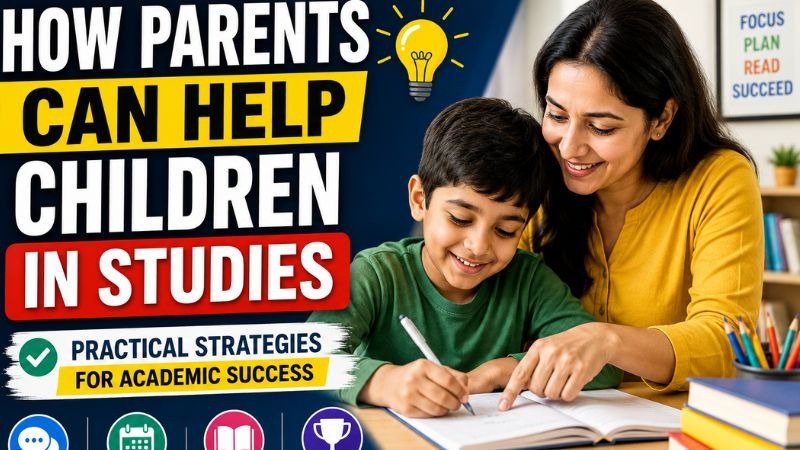
In today’s competitive academic environment, students often need guidance beyond the classroom. Parents play a vital role in supporting children in studies, helping them stay focused, motivated, and organized. Knowing how parents can help children in studies is crucial for academic success, building confidence, and fostering lifelong learning habits.
-
Understanding the Role of Parents in Academic Success
-
Creating a Study-Friendly Environment at Home
-
A well-designed study environment is one of the most effective ways parents can help children in studies. Choosing a quiet, well-lit area with minimal distractions allows children to focus better and retain information effectively. Parents should ensure that all necessary materials such as books, stationery, and digital learning tools are accessible. Limiting recreational screen time during study hours can further enhance concentration. Schools like Hera Public School emphasize that a structured study environment, both at school and home, is critical to helping students develop productive habits and focus consistently.
-
Establishing a Daily Routine for Studies
-
Active Participation in Learning
-
Parents should actively participate in learning without doing the work for the child. Asking questions about the day’s lessons, reviewing assignments together, and encouraging children to explain concepts back to them promotes deeper understanding. Discussing academic topics in real-life contexts makes learning relatable and reinforces concepts. By being actively involved, parents demonstrate that studies are important and help children feel accountable for their learning progress. Understanding how parents can help children in studies through active participation encourages curiosity, problem-solving skills, and long-term retention.
-
Using Rewards Wisely
-
Rewards should emphasize effort and learning rather than grades alone. This helps students develop a growth mindset and resilience, two critical skills highlighted by Hera Public School’s educational philosophy. Developing Critical Thinking and Problem-Solving Skills
-
Helping children in studies is not just about memorization; it also involves fostering critical thinking and problem-solving abilities. Parents can guide children by encouraging multiple approaches to solving academic problems and discussing alternative solutions. Introducing simple real-world scenarios that require analytical thinking helps students apply knowledge creatively. By combining support with independence, parents reinforce the skills necessary for lifelong learning and adaptability.
-
Reducing Exam Stress and Anxiety
-
Exams often cause significant stress for students. Parents can help children in studies by creating a supportive atmosphere during exam preparation. Maintaining calm, positive communication, breaking down study material into manageable portions, and avoiding last-minute cramming helps reduce stress and anxiety. Techniques like mindfulness or short relaxation breaks can further enhance focus. According to the American Psychological Association, parental support plays a vital role in lowering exam-related anxiety, allowing children to perform at their best.Balancing Technology Use
-
Technology is a double-edged sword in studies. Parents can help children in studies by establishing clear rules for digital device usage, encouraging the use of educational apps for learning, and supervising online research to ensure reliability. Platforms like Khan Academy or interactive learning tools can make study sessions engaging while promoting independent learning. Properly balanced technology use supports comprehension and reduces distractions, enabling children to focus on their studies effectively.
-
Building Consistency and Accountability
-
Consistency is critical for academic success. Parents can help children in studies by encouraging regular study schedules, tracking progress through planners or charts, and gradually promoting independent work. Accountability fosters discipline, time-management skills, and self-reliance. Over time, children internalize these habits, which support both school performance and personal growth
-
Mother and daughter using homework tracker showing how parents help children in studies.
-
Conclusion
-
Helping children in studies requires patience, structure, and active involvement. By creating a study-friendly environment, establishing routines, participating in learning, offering positive reinforcement, and balancing technology use, parents can significantly improve academic performance and confidence. Educational institutions like Hera Public School demonstrate that collaboration between parents and teachers is essential to cultivating disciplined, confident, and capable students. Understanding how parents can help children in studies is key to building a foundation for lifelong success.
How Parents Can Help Children in Studies: Practical Strategies for Academic Success
In today’s competitive academic environment, students often need guidance beyond the classroom. Parents play a vital role in supporting children in studies, helping them stay focused, motivated, and organized. Knowing how parents can help children in studies is crucial for academic success, building confidence, and fostering lifelong learning habits.
Whether it is creating a study-friendly environment, setting daily routines, or providing emotional support, parents can significantly influence a child’s learning journey. Studies show that parental involvement in education directly correlates with higher grades, better behavior, and enhanced social-emotional skills. Educational institutions like Hera Public School encourage collaboration between parents and teachers to ensure children receive well-rounded academic and personal support.
Understanding the Role of Parents in Academic Success
Parents are more than just observers of their child’s education; they are active partners in learning. Their involvement shapes a child’s study habits, motivation, and self-discipline. Parents can provide emotional support, create a structured study environment, and monitor academic progress. Research by the American Psychological Association emphasizes that children whose parents actively guide them in studies show improved learning outcomes and reduced academic stress. By understanding how parents can help children in studies, families can foster not only better grades but also stronger life skills.

Father helping child with homework showing how parents can help children in studies
Creating a Study-Friendly Environment at Home
A well-designed study environment is one of the most effective ways parents can help children in studies. Choosing a quiet, well-lit area with minimal distractions allows children to focus better and retain information effectively. Parents should ensure that all necessary materials such as books, stationery, and digital learning tools are accessible. Limiting recreational screen time during study hours can further enhance concentration. Schools like Hera Public School emphasize that a structured study environment, both at school and home, is critical to helping students develop productive habits and focus consistently.
Establishing a Daily Routine for Studies
One of the most practical ways parents can help children in studies is by establishing a daily routine. Routines create predictability, reduce stress, and build time-management skills. Parents should allocate fixed hours for homework and revision, breaking study sessions into manageable intervals using techniques like the Pomodoro method. Including short breaks and physical activity ensures children remain energized and focused. Using tools like Khan Academy for structured practice or interactive lessons can supplement home learning effectively. By following a consistent routine, children learn discipline and accountability, making them more independent learners.

Student following daily timetable checklist for study routine
Active Participation in Learning
Parents should actively participate in learning without doing the work for the child. Asking questions about the day’s lessons, reviewing assignments together, and encouraging children to explain concepts back to them promotes deeper understanding. Discussing academic topics in real-life contexts makes learning relatable and reinforces concepts. By being actively involved, parents demonstrate that studies are important and help children feel accountable for their learning progress. Understanding how parents can help children in studies through active participation encourages curiosity, problem-solving skills, and long-term retention.
Using Rewards Wisely
Rewards should emphasize effort and learning rather than grades alone. This helps students develop a growth mindset and resilience, two critical skills highlighted by Hera Public School’s educational philosophy.
Developing Critical Thinking and Problem-Solving Skills
Helping children in studies is not just about memorization; it also involves fostering critical thinking and problem-solving abilities. Parents can guide children by encouraging multiple approaches to solving academic problems and discussing alternative solutions. Introducing simple real-world scenarios that require analytical thinking helps students apply knowledge creatively. By combining support with independence, parents reinforce the skills necessary for lifelong learning and adaptability.
Reducing Exam Stress and Anxiety
Exams often cause significant stress for students. Parents can help children in studies by creating a supportive atmosphere during exam preparation. Maintaining calm, positive communication, breaking down study material into manageable portions, and avoiding last-minute cramming helps reduce stress and anxiety. Techniques like mindfulness or short relaxation breaks can further enhance focus. According to the American Psychological Association, parental support plays a vital role in lowering exam-related anxiety, allowing children to perform at their best.
Balancing Technology Use
Technology is a double-edged sword in studies. Parents can help children in studies by establishing clear rules for digital device usage, encouraging the use of educational apps for learning, and supervising online research to ensure reliability. Platforms like Khan Academy or interactive learning tools can make study sessions engaging while promoting independent learning. Properly balanced technology use supports comprehension and reduces distractions, enabling children to focus on their studies effectively.
Building Consistency and Accountability
Consistency is critical for academic success. Parents can help children in studies by encouraging regular study schedules, tracking progress through planners or charts, and gradually promoting independent work. Accountability fosters discipline, time-management skills, and self-reliance. Over time, children internalize these habits, which support both school performance and personal growth

Mother and daughter using homework tracker showing how parents help children in studies.
Conclusion
Helping children in studies requires patience, structure, and active involvement. By creating a study-friendly environment, establishing routines, participating in learning, offering positive reinforcement, and balancing technology use, parents can significantly improve academic performance and confidence. Educational institutions like Hera Public School demonstrate that collaboration between parents and teachers is essential to cultivating disciplined, confident, and capable students. Understanding how parents can help children in studies is key to building a foundation for lifelong success.
Frequently Asked Questions
1. How can parents help children in studies effectively?
Parents can guide children by creating a quiet study space, establishing routines, actively engaging in learning, and monitoring academic progress.
2. What role does routine play in academic success?
Daily routines improve focus, reduce stress, and build productive study habits that support academic growth.
3. How can parents reduce exam stress in children?
By providing emotional support, breaking down study material into manageable portions, and incorporating relaxation techniques.
4. Should parents assist in homework or let children work independently?
Parents should guide and support while encouraging problem-solving and independent thinking to foster critical skills.
5. How can technology be used effectively in learning?
Educational apps and online platforms can supplement studies, but screen time should be limited for non-academic activities.

